
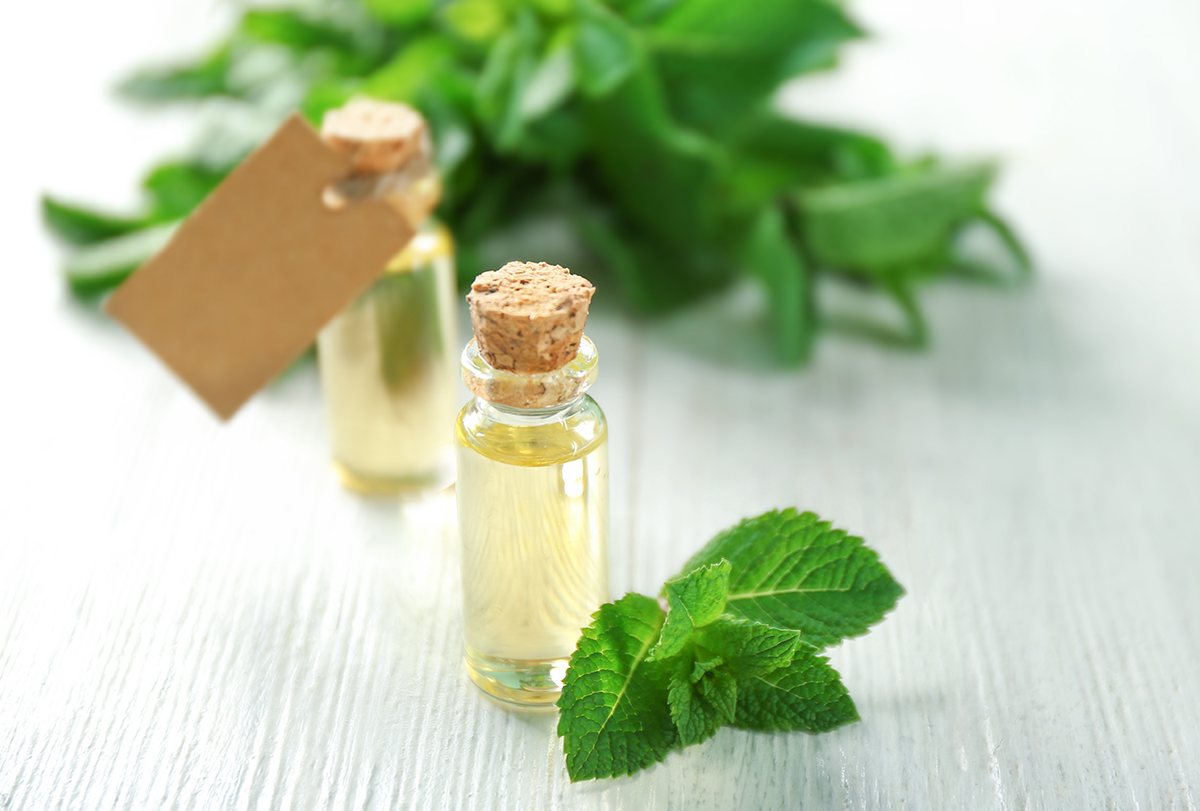
Peppermint (Mentha piperita) is a widely used herb usually consumed as tea. It belongs to the same family (Lamiaceae) as spearmint, wild mint, and common mint.
The leaves are brewed in water and consumed to cure several ailments. Peppermint essential oil is also available that can be diluted along with a carrier oil to be consumed or for topical application. (1)
Peppermint contains several phenolic compounds, such as rosmarinic acid, and flavonoids, such as eriocitrin, luteolin, and hesperidin. Menthol and menthone are its main active biochemical compounds. (2)
These compounds work together to make peppermint a strong antimicrobial, antioxidant, anticancer, and anti-allergen. It has also demonstrated some anti-analgesic and anesthetic effects in some animal studies. (2)
Advertisements
Health Benefits Offered by Peppermint
Peppermint is an easily available herb that can be used to find relief for many conditions. Here are some of the health benefits peppermint has to offer.
1. Improves an upset stomach
A common home remedy to treat indigestion or stomach cramps is the use of peppermint. It is believed to have carminative properties that reduce flatulence and ease stomach cramps. (3)
Several human studies have shown peppermint oil to be a safe and effective way to deal with pain and other symptoms of irritable bowel syndrome. It acted on the muscles of the stomach, preventing them from contracting, which calmed stomach cramps. (3)
In a study, supplementing with peppermint oil reduced the duration and severity of abdominal pain in children. (4)
2. Alleviates headaches and migraines

One of the most common types of headaches is tension-type headaches. Studies have found peppermint oil to have a similar effect as paracetamol when it comes to relieving pain. It has been advocated as treatment in adults and children over 6 years. (5)
Migraines are one of the most debilitating chronic conditions affecting more than 46% of adults all over the world. The primary treatment for migraines involves management and suppressing the substances that cause migraines. (6)
Advertisements
In one study, peppermint nasal drops significantly reduced the intensity and frequency of migraine headaches in adults. (6)
3. Eases sinusitis
Chronic sinusitis can be accompanied by blocked nasal passages, which may or may not be inflamed. (7)
Though there aren’t any studies linking the use of peppermint and sinusitis relief, its anti-inflammatory property can be beneficial. Steam inhalation of peppermint oil by adding a few drops of peppermint oil in water can help open up blocked nasal passages and lower inflammation. (8)
4. Reduces allergy symptoms
Rosmarinic acid can reduce symptoms of allergies such as runny nose, itchy eyes, and asthma. Since peppermint is rich in rosmarinic acid, its use as tea or essential oil can be helpful in bringing relief. (9)
5. Freshens the mouth naturally

The ability of peppermint to act as an antibiotic agent can help relieve bad breath. It inhibits the growth of plaque-causing bacteria and other oral pathogens that may cause bad breath. (10)
In one study, students who received peppermint mouth rinse had lesser bad breath than the group that didn’t receive the mouth rinse. (11)
Advertisements
6. May reduce menstrual cramps
As mint is considered an anesthetic and analgesic, it may play a role in relieving menstrual cramps.
In one study, the use of peppermint extract significantly reduced the pain and the average length of bleeding in women experiencing painful menstruation. It also reduced the symptoms of nausea and diarrhea. (12)
7. Exerts some antibiotic effects
The phenolic compounds in mint, including menthol and menthone, exhibit antibacterial activity and are being investigated for their use as an antibacterial dressing for wounds. (13)
The use of peppermint oil in pineapple and mango juice showed its potent antibacterial activity against E. coli, Listeria, and Salmonella, which are common pathogens that are linked to diseases in humans. (14)
8. Promotes good sleep

Though there is no direct link between peppermint use and improved sleep, it is a great caffeine-free alternative to tea or coffee.
As caffeine inhibits the length and quality of sleep, (15) consuming caffeine-free beverages is a great way to ensure a good night’s sleep.
Advertisements
In addition, peppermint has a muscle-relaxing effect, and this will further aid in getting restful sleep. (16)
9. May boost energy
Peppermint has a positive effect on improving lethargy and fatigue. The consumption of peppermint essential oil improves task performance, alleviates fatigue and tiredness, and brings about wakefulness. (17)
10. Improves skin and scalp conditions
Peppermint oil can also be applied topically to bring relief from itchy skin in certain conditions.
Advertisements
In a study of people suffering from long-term pruritus, a skin condition that causes severe itching, significant improvements were observed with peppermint oil application to itchy areas. (1)
Animal studies have also reported its effectiveness in stimulating hair growth as compared to minoxidil, which is a popular treatment prescribed for hair loss. Peppermint oil diluted with jojoba oil increased hair growth in mice while also improving the length of the hair follicle to create long and thick hair. (18)
Using peppermint oil diluted with a carrier oil such as jojoba oil can be helpful in preventing hair loss.
How to Consume Peppermint
Precautions to Consider
When consuming peppermint, keep the following things in mind:
- Do not consume peppermint essential oil without mixing it with a carrier oil such as almond oil, coconut oil, or jojoba oil. One drop of essential oil to 5 drops of carrier oil is a safe ratio to start with.
- Avoid overconsumption of peppermint as the menthol it contains can cause a burning sensation in the throat and mouth.
- Do not use peppermint if you have allergies to common mint or spearmint.
Most-Asked Questions About Peppermint
Who should not use peppermint?
Though peppermint is generally safe for consumption, avoid using peppermint oil in very young children under the age of 5. Consult a doctor before you use peppermint oil, supplements, or tea for children.
Can people with high blood pressure use peppermint oil?
People suffering from chronic illnesses such as diabetes, high blood pressure, and heart diseases need to consult their doctor before including any natural remedies. For instance, using steam inhalation can raise their blood pressure; thus, it is recommended that they avoid it.
Final Word
Peppermint is an underrated herb in everyone’s kitchen that can be useful in solving a wide array of discomforts. From easing flatulence to improving digestion, peppermint can alleviate nausea and reduce diarrhea. It can also be helpful in removing bad breath and protecting the mouth from plaque-causing bacteria.