
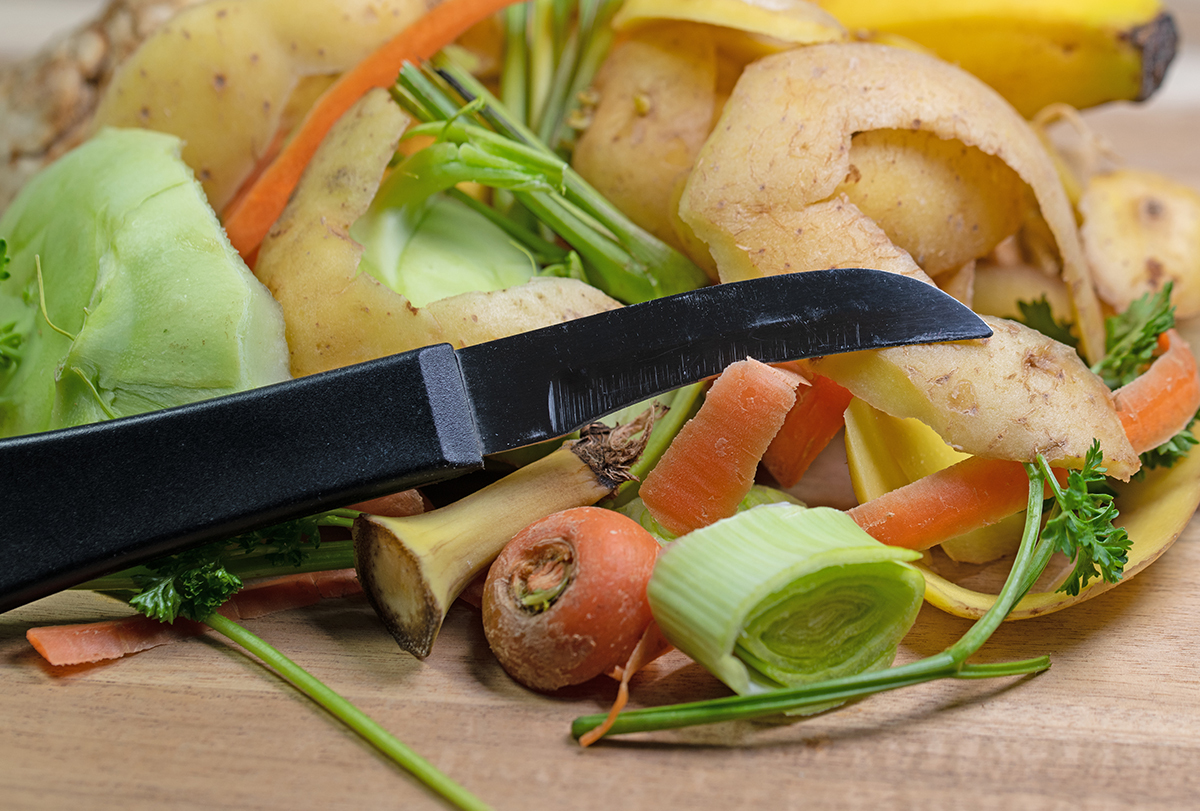
Fruit and vegetable peels form a large part of not only household waste but also industrial waste. Production of fruit products such as jams, jellies, juices, and other desserts leads to the production of an immense amount of waste that is not discarded carefully, causing an increasing burden to the environment.
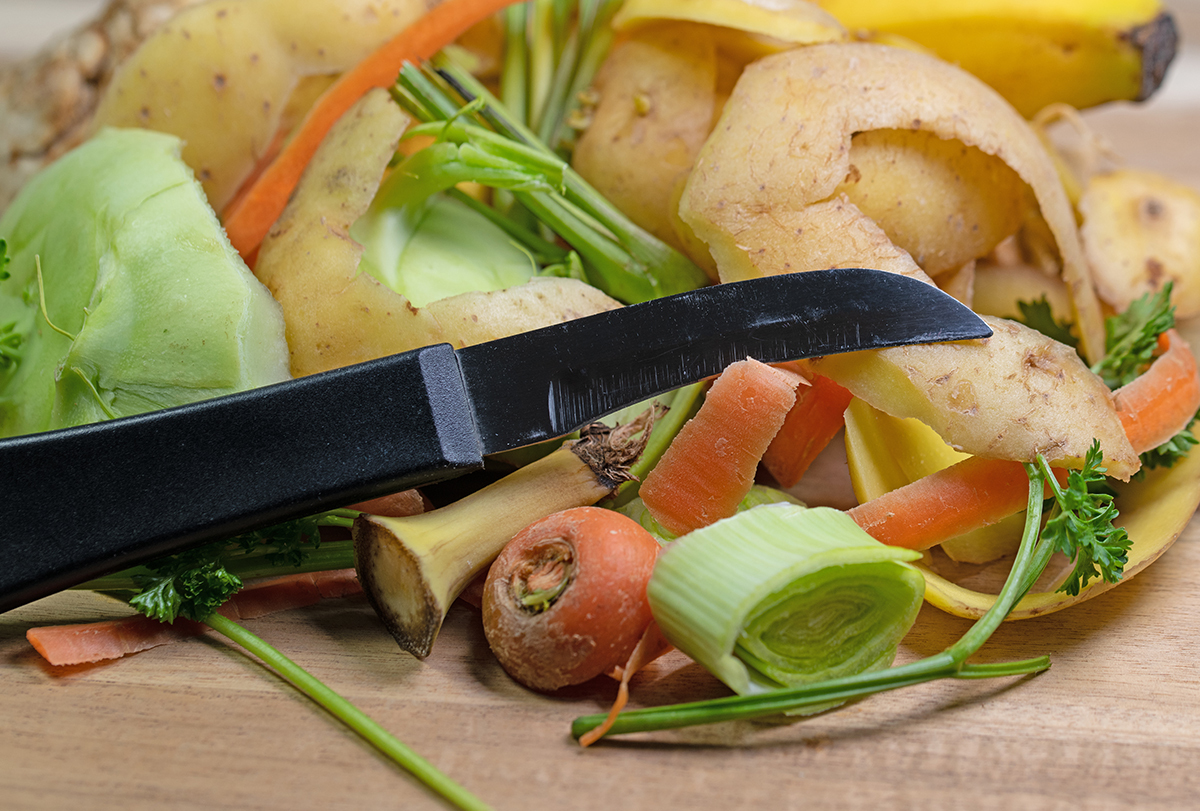
Several ways to utilize fruit and vegetable peels are being studied in order to be more sustainable and to gain maximum benefit from them.
Peels of fruits and vegetables hold plenty of antioxidants and active biochemical compounds. They are also great sources of fiber. (1)
Uses of Fruit and Vegetable Peels
While industries are seeking novel methods to utilize peel waste, there are some innovative and easy ways you can use your fruit and vegetable peel at home to minimize waste and be more sustainable.
Advertisements
1. Vegetable stock
Common and everyday ingredients such as onions, garlic, ginger, carrots, and potatoes can be used to make a delicious and enriching vegetable stock.
You can collect your food peels and refrigerate them in a Ziploc bag for a few days. Once a sufficient amount is collected, boil the peels in 2–3 liters of water and simmer until it reduces to half its quantity. Season with salt and pepper, strain, and store the stock in the fridge.
This stock can be used for soups, broths, gravies, and sauces and even to make rice.
Ginger, garlic, and onion peels have a great antioxidant capacity and are able to rid the body of free radicals that can cause damage and illnesses. (1)
2. Antioxidant-rich supplements
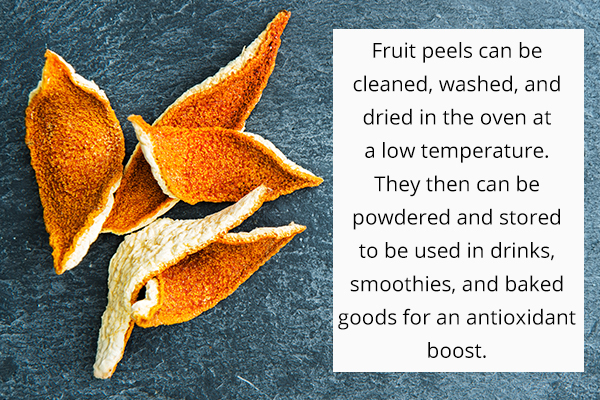
Fruit peels can be cleaned, washed, and dried in the oven at a low temperature. They then can be powdered and stored to be used in drinks, smoothies, and baked goods for an antioxidant boost.
Apple, pear, peach, carrot, beetroot, tomato, and papaya peels have a lot of beneficial polyphenols that can be easily lost. (1) Drying them at a low temperature will ensure the necessary nutrients are retained and the product lasts longer without spoiling.
Advertisements
3. Kebabs or side dishes
Several South Asian recipes utilize vegetable peels from ridge gourd, bottle gourd, and even watermelon to make delicious side dishes and kebabs.
Bottle gourd peels have high vitamin B content, some amount of vitamin C, and high polyphenol content. (2)
Utilizing peels for kebabs and side dishes is an economic and easy way to reduce waste and ensure necessary nutrients are consumed.
4. Homemade vegetable chips
Root vegetables such as potatoes, sweet potatoes, carrots, turnips, and beetroot have high phenolic content. They are rich in starch and can easily be made into crispy and healthy versions of commercially available chips.
Exploiting the rich nutrient profile, starch content, and fiber content of vegetable peels by making them into chips is an efficient way to add energy-dense foods into the diet of children. (3)
Wash the peels well, drizzle vegetable oil, salt, and pepper on them, and bake them until it turns brown and crispy.
Advertisements
5. Infused water
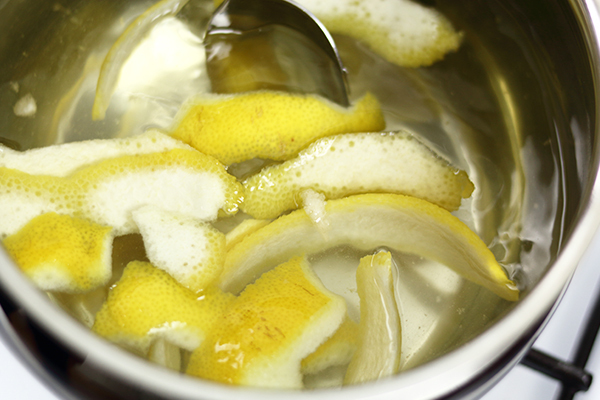
Infusing drinking water with fruit and vegetable peels will allow water-soluble nutrients such as vitamin C, vitamin B6, riboflavin, niacin, folate, vitamin B12, and pantothenic acid to be dissolved into the water. (4)
This is an easy and effective way to fight nutrient deficiencies, as well as to stay well hydrated.
6. Homemade jams
Apples, oranges, lemons, grapefruit, plums, and guava contain a gel-like substance called pectin. (5) It is a soluble fiber that is essential in the jam-making process.
Recently, mango waste including peels has been found to be rich in pectin, which is useful in the fight against colon cancer according to some studies. (5)
Wash fruit peels well and cook them along with 1 cup of water, sugar, and lemon juice. Once the mixture begins to thicken, turn off the heat and allow it to cool. This is a healthy and preservative-free homemade jam suitable for children.
7. Aromatherapy
Using citrus peels for aromatherapy is a great way to make your home smell wonderful.
Advertisements
Boiling citrus peels in water over a low flame releases the oils from the rind. The aroma is known to reduce anxiety and stress. (6)
8. Face masks
Some fruits exhibit antiaging effects by removing free radicals from the body and restoring collagen and elasticity in the skin.
Apple, bananas, watermelon, strawberries, peaches, cantaloupe, pears, papaya, and pineapples have skin-beneficial nutrients that are antioxidants, anti-inflammatory, and also anticarcinogenic. (7)
Advertisements
Simply rub the peel on your skin, or blend it with some water to make a nourishing face mask.
9. Household cleaners
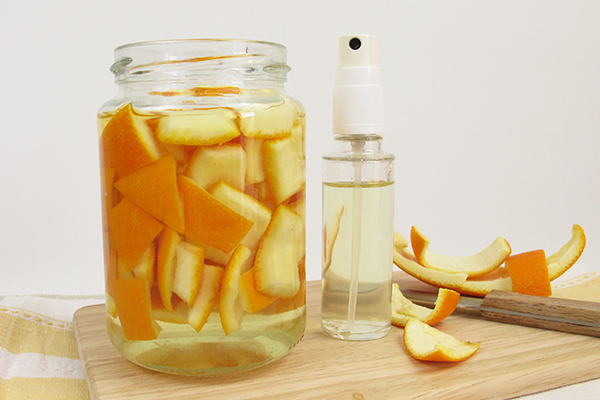
Chemical substances found in household cleaners including scents, surfactants, stabilizers, and other acids have been found to be harmful not only to humans but also to the environment, (8) but homemade cleaners using citrus are not.
Put citrus peels obtained from lemons, oranges, and grapefruit in a glass bottle with water and seal it. The natural sugars and bacteria will ferment the peels to produce acids that are called eco-enzymes useful in cleaning surfaces of homes.
This solution is not only safe for humans but also for the environment.
Eco-enzymes derived from pineapple and orange have antimicrobial effects, whereas those from unripe papaya show significant antibacterial activity against Enterococcus faecalis. (9)
10. Fertilizer for plants
Using fruit and vegetable peels as compost or fertilizer for your garden or house plants is not only a great way to reduce waste, but it also improves the health and quality of soil by returning essential nutrients back to the ground.
Studies have shown soils enriched with compost waste had higher nitrogen, phosphorus, and potassium content. (10)
Precautions to Consider
When using fruit and vegetable peels for various purposes, keep these precautions in mind:
Most-Asked Questions
Are some peels harmful to health?
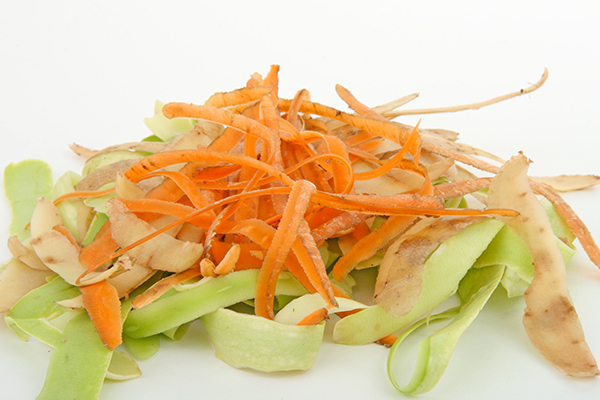
Peels of fruits are generally safe to consume. They add fiber to the diet and house several antioxidants useful for human health. However, you should avoid using peels of the foods you are allergic to.
Can I feed fruit and vegetable peels to my pet?
Common pets such as cats and dogs should not be given fruit and vegetable peels as the biochemical compounds present in them can be harmful to them.
Final Word
It is a common practice to peel some fruits and vegetables before consumption to make them more palatable and increase their visual appeal. This can often lead to large quantities of waste that ultimately damage the environment.
Several industries are coming up with new and innovative ways to use peels for pharmaceutical, therapeutic, and cosmetic purposes.
If you do not feel comfortable consuming peels or anything derived from it, there are plenty of other ways to reap their goodness, including using them as face masks, household cleaners, fertilizers, aromatherapy, etc. Ultimately, the goal is to reduce waste and at the same time enjoy the full benefit nature and its bounty has to offer.