
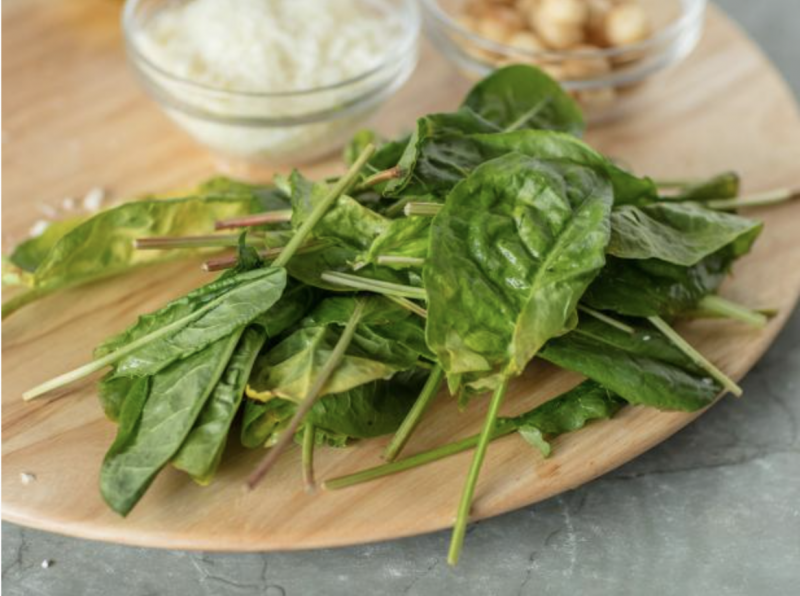
Sorrel, a less common leafy green, can be high in vitamins and minerals that may promote healthy digestion, eyesight and more.
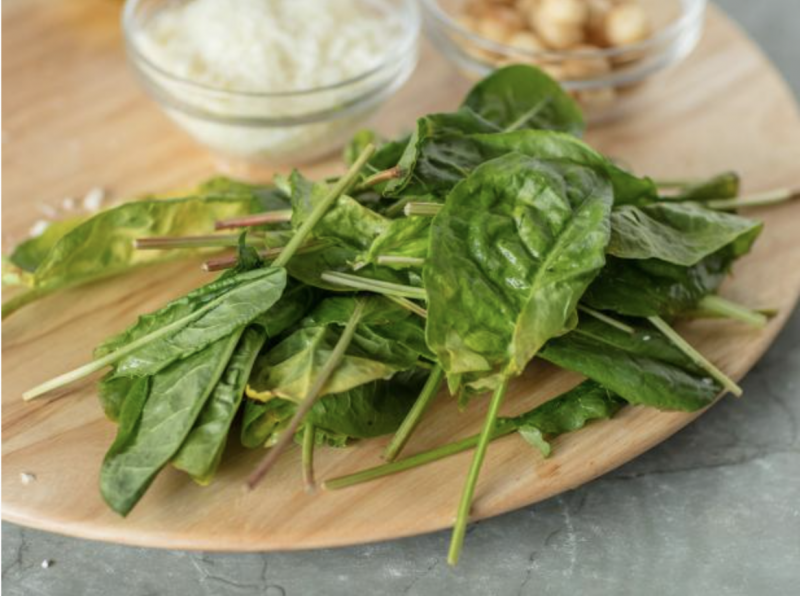
If you want to expand your selection of leafy greens at the market, sorrel is an often overlooked green. A nutritional powerhouse, sorrel is an herb that looks similar to spinach and may also go by the names
common sorrel,
garden sorrel or
spinach dock. Here’s what to know about the health benefits of sorrel and how to use it in cooking.
Sorrel Nutrition Facts
Amounts may vary depending on the variety of sorrel that’s harvested, however, it’s safe to say the leaves are packed with phytonutrients, fiber and a range of vitamins and minerals. 100 grams (about a 1/2 cup) of raw sorrel has a whopping 133% of vitamin A, 80% of vitamin C, 30% of iron, 26% of magnesium and 21% of manganese. Sorrel is high in oxalic acid, which is a compound found in a variety of plant foods. Although not a concern for most people, it’s important to note that if you’ve had a history of kidney stones, talk to your physician or dietitian to see if limiting high oxalate foods is advised.
How to Use Sorrel in Cooking
Sorrel can be added to eggs, soups, stews and salads. Depending on the variety, it can have a very sharp, tangy flavor and some people even incorporate it into teas, marinades and salad dressings. You can combine it with other leafy greens to deepen the flavors of your favorite vegetable dishes.
Health Benefits of Sorrel
There are many benefits associated with sorrel, however it’s important to note that these benefits are mostly linked to the nutrients that sorrel contains and not the sorrel itself, since this herb has not been studied extensively. With that being said, here are some potential health benefits found in sorrel.
Improved digestion: Sorrel is a good source of fiber, which helps to promote healthy bowel movements and digestion. It may help to reduce constipation, and can also help in preventing heart disease by reducing cholesterol. Fiber also allows us to feel more satiated during mealtimes, and for people with diabetes, it can help to slow down how quickly food is broken down, which helps to control blood sugar levels. The recommended daily intake of fiber is about 25 grams for women and 36 grams for men, however amounts vary depending on your unique needs. 100 grams of sorrel may contain up to 4 grams of fiber. It also is important to drink plenty of water and to increase your fiber intake gradually in order to give your body time to adjust.
Maintains healthy vision: You’ve probably heard that carrots are great for the eyes — and so is sorrel! With over 100% of our vitamin A needs in one serving, the vitamin A in sorrel can support eye health, the immune and reproductive system. Vitamin A also helps our heart, lungs, kidneys and other organs work properly.
Supports a healthy immune system: With around 80% of vitamin C per serving, sorrel can help to support our immunity. Vitamin C is essential for tissue growth and repair, and plays a vital role in maintaining healthy organs.
